
Self Defense Classes
What Do Self Defense Classes Teach?
Self defense classes teach ways to notice risk, avoid unsafe situations, lower tension when possible, and practice physical responses under guidance. The aim is to help students think about choices before a situation becomes physical. Learning a technique is only one part of that work.
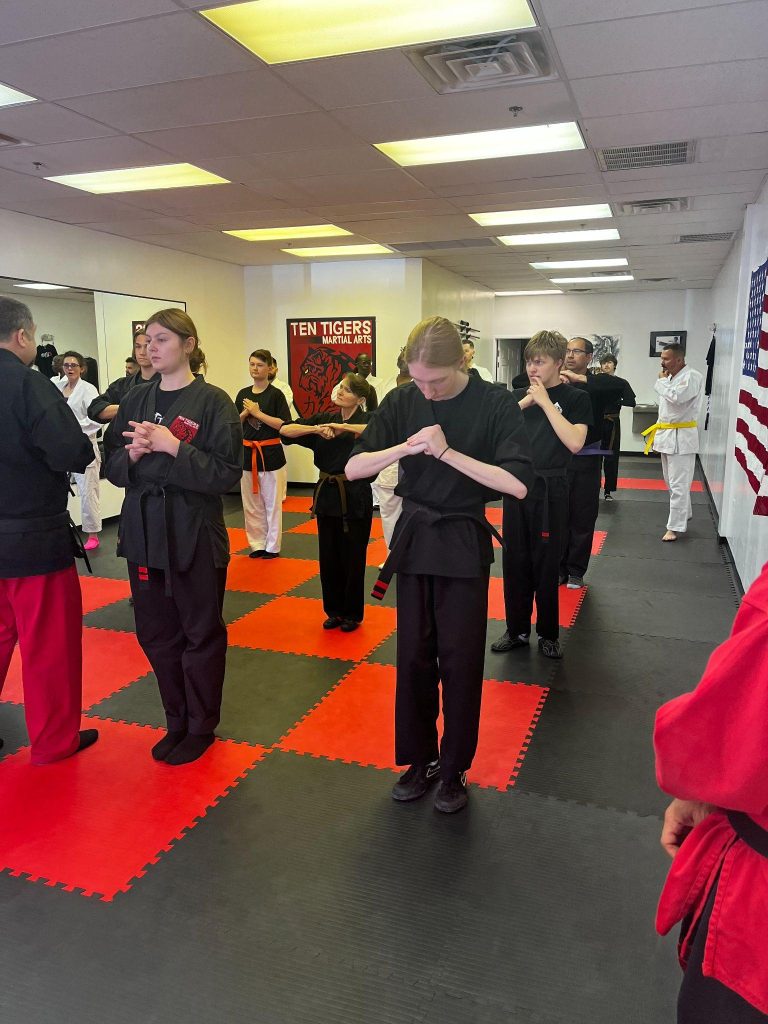
Ten Tigers Martial Arts describes de-escalation, avoidance, and strategies to protect yourself as parts of its program. Ask what the current class covers, how practice is structured, and whether it matches your experience. No class can guarantee safety in every situation.
Who Should Consider Self Defense Training?
Self defense training may appeal to someone who wants to feel more prepared, learn about personal boundaries, or practice responses in a guided setting. You do not need a particular background to ask about a beginner class. Share any concerns about physical contact or previous injuries before attending.
Ten Tigers also describes women’s seminars and group instruction for organizations. Formats may differ, so ask what is currently offered. Choose the setting that lets you ask questions, understand the exercises, and practice within your comfort level.

Do Uncertain Situations Leave You Feeling Unprepared?
An uncomfortable encounter can leave you wondering what to say, where to move, or when to seek help. Training offers a place to discuss those decisions without waiting for a real emergency. You can explore awareness, distance, and ways to leave when it is safe to do so.
Physical skills require careful guided practice, and no rehearsed response works in every situation. Ask how the instructor presents scenarios and explains limits. The goal is clearer judgment and more confidence, not a promise that danger disappears.
Explore Skills and Styles Related to Self Defense
Start with the direct self defense page. The other links describe related martial arts styles and may deepen your understanding. Ask the school which, if any, are part of the current class format.

Self Defense
Read the direct page, then ask about the current class focus and schedule before enrolling.
Filipino Martial Arts
Explore the related discipline and ask how it connects with current classes offered here now.
Jeet Kun Do
Learn about the style, then confirm whether it appears in this particular class right now.
Wing Chun
Review the style page and ask whether its techniques are currently taught before choosing classes.
How Does Self Defense Training Work?
A useful class begins with context. The instructor can explain what a scenario is meant to teach and which choices may help someone leave safely. Students then discuss and practice appropriate responses under supervision. You should be able to ask why a movement is used and what its limits are. Tell the instructor about injuries, discomfort with contact, or other concerns before taking part. Learning happens through clear explanation and controlled practice, not through being surprised or pushed beyond your limits.
Learn Awareness
Notice surroundings and discuss choices that may help you avoid a potentially risky situation beforehand.
Practice De-escalation
Explore calm language, boundaries, and when to leave or seek help when it is appropriate.
Rehearse Responses
Practice suitable techniques with supervision, control, and a clear understanding of their limits before class.
What Can You Take From Each Class?
Greater Awareness
Paying attention to surroundings can help you notice concerns before you need a physical response.
Calmer Decisions
Discussing scenarios gives you time to consider options while you are in a controlled setting.
Safer Boundaries
Practicing clear communication can help you say what you need and look for an exit.
Clearer Responses
Guided drills show how a movement is performed and when it may have limitations clearly.
Better Composure
Repetition gives you a familiar task to focus on when a practice scenario feels difficult.
Practical Confidence
Understanding both choices and techniques can make the next step feel less uncertain over time.
Ask how each lesson supports real choices
Why Learn Self Defense With Us?
You should know what you will practice before you step into a drill. Ten Tigers identifies awareness, de-escalation, and avoidance as parts of its teaching. Ask the instructor how these ideas connect to the physical exercises and how students can raise concerns. A thoughtful class explains the purpose and limits of a technique, gives room for questions, and respects each person’s starting point.
Experienced Instructor
Kellan Jenkins draws on Kempo Karate training and experience across several martial arts disciplines clearly.
Practical Teaching
Ask how class scenarios connect to awareness, avoiding danger, and leaving when possible with practice.
Guided Practice
Learn a movement with explanation and supervision before trying it with a partner over time.
Respectful Setting
Tell the instructor your comfort level and ask how contact is managed during practice clearly.
Understand each drill before joining it
How Do We Practice With Safety and Control?
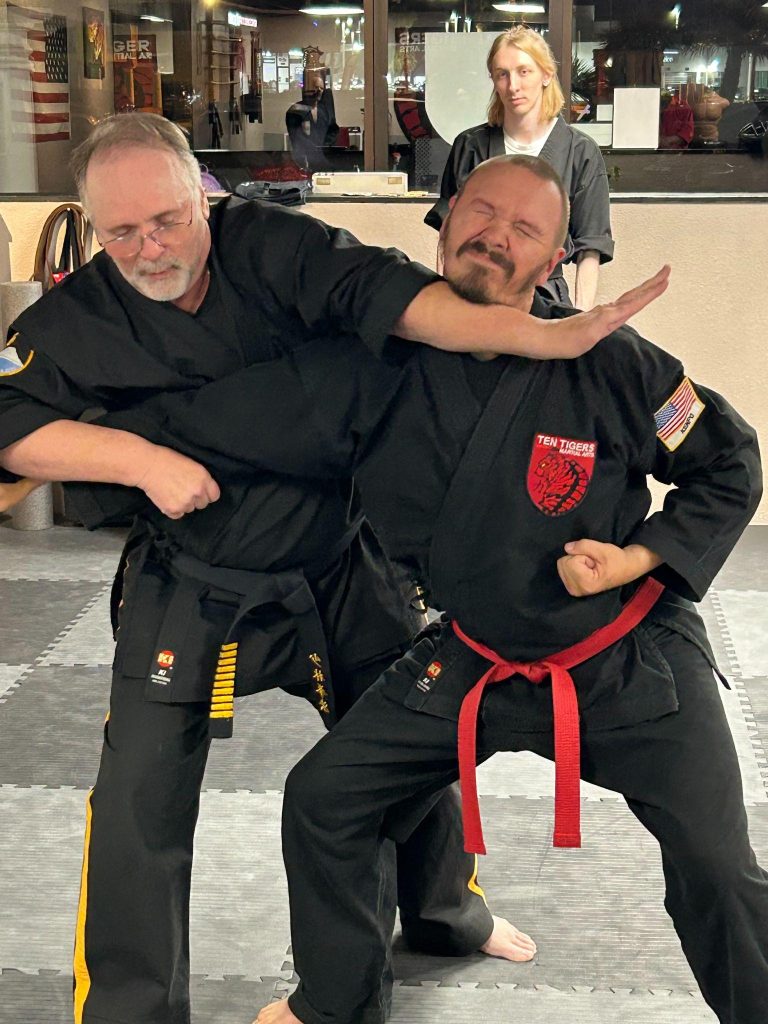
Before physical practice, ask what a drill involves, how much contact to expect, and how to stop. Tell the instructor about injuries or other limits. Partner work should have a clear purpose, appropriate supervision, and room to ask questions. Real situations are unpredictable, so practice must be presented with honest limits.
If an exercise does not feel suitable, speak up and ask about another way to take part. Good instruction helps you understand when avoiding a situation or seeking help matters more than performing a technique.
Start by asking what class involves
Take the First Step Toward Feeling Prepared
Contact Ten Tigers Martial Arts and describe what you hope to learn. Ask which self defense class or seminar is currently available, how beginners take part, and whether the format includes partner practice. You can discuss your comfort level before choosing a session.
Your first step does not need to be a physical test. It can be a clear conversation about the class, its limits, and your goals. When you understand what to expect, it is easier to decide whether the training fits you.
FAQs
Can our organization arrange a group session?
Ten Tigers lists group self defense classes for schools, churches, and workplaces. Contact the school with your group size and goals to ask about current options.
Will the class use weapons or training tools?
Ask what equipment the current class uses before you attend. A related martial arts style page does not mean those tools are part of this class.
What if I freeze during a practice scenario?
Tell the instructor. You can ask to pause, hear the steps again, and try the exercise at a pace you can manage.
Can I practice the skills after the class ends?
Ask the instructor what you can safely review on your own and whether another guided class is available. Keep physical practice within the guidance you received.
Can I ask about a situation that worries me?
Yes. Describe the type of situation before class so the instructor can tell you whether the lesson covers it. You do not need to share private details.